



johndoe@gmail.com

Architectural buildings played an integral part in the cultural customs of the medieval world, meaning they are invaluable sites through which to learn more about the societies who created, used, changed, and often fought over, these historical spaces. We have brought together a carefully curated collection of eBook chapters and encyclopedia entries from across Bloomsbury Medieval Studies, dedicated to this fascinating area of study.
This Topic in Focus is your guide to step into the medieval world and learn more about the extraordinary architecture from across the global middle ages.
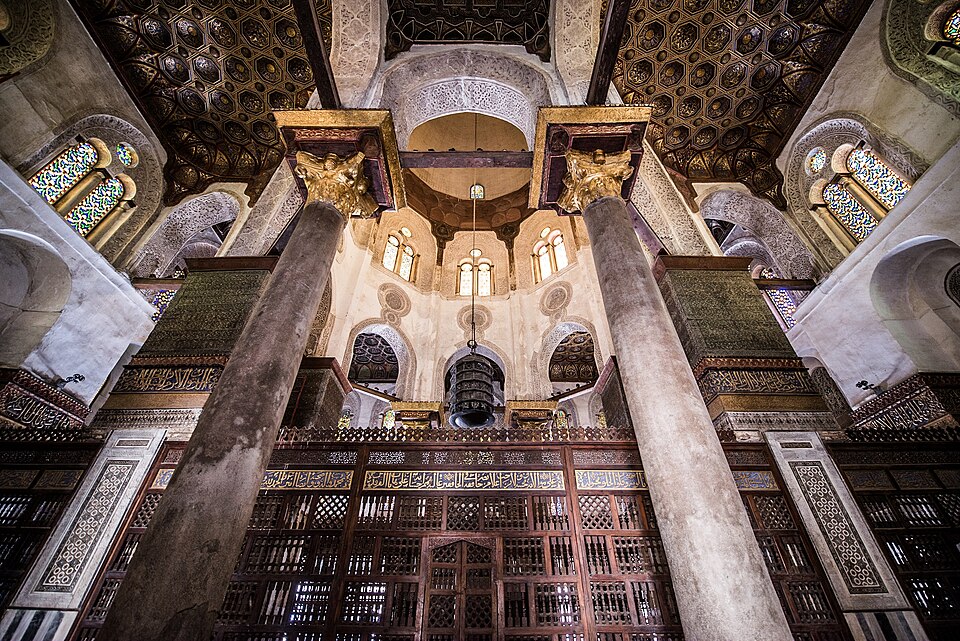
Cairo of the Mamluks was "a city beyond imagination", wrote the Arab philosopher Ibn Khaldun. The Mamluk sultans originated as a slave-based caste who took advantage of the mid-13th century power vacuum to establish themselves as rulers. They designed their capital to be the heart of the Muslim world. It became the focus of their enormous patronage of art and architecture, the stage for their ceremonial rituals, and a memorial to their achievements. Cairo of the Mamluks: A History of the Architecture and its Culture examines the monuments of the Mamluks in their social, political and urban context during the period of their rule between 1250-1517. This chapter follows the evolution of Mamluk architecture in Cairo.
Explore our online primary source collection, featuring original texts, audio recordings, digitised maps, manuscripts and incunabula, accompanied by exclusive commentary articles. This curated archive offers researchers and students direct access to invaluable primary source materials, fostering a deeper understanding and engagement with the past.
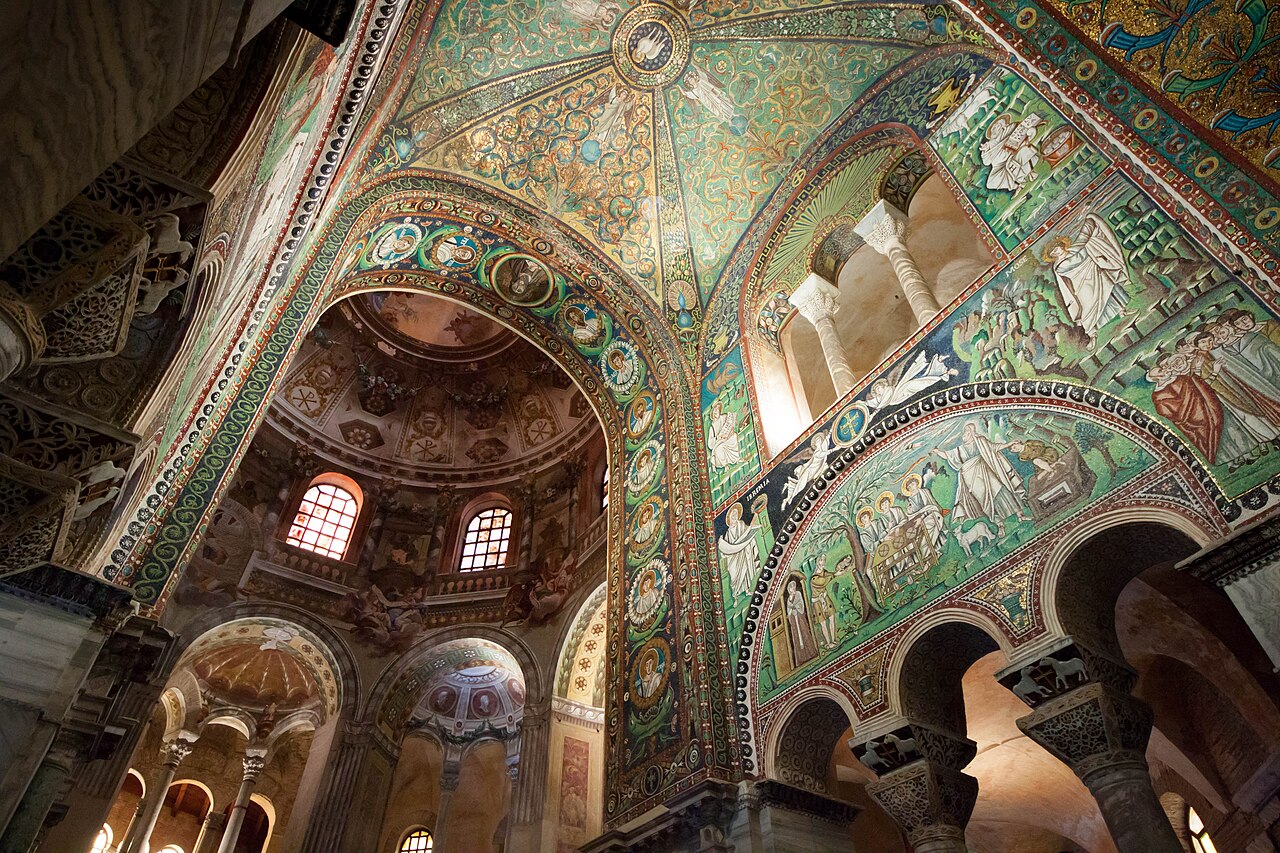
The churches of the Byzantine era were built to represent heaven on earth. Architecture, art and liturgy were intertwined in them to a degree that has never been replicated elsewhere, and the symbolism of this relationship had deep and profound meanings. Sacred buildings and their spiritual art underpinned the Eastern liturgical rites, which in turn influenced architectural design and the decoration which accompanied it. In The Sacred Architecture of Byzantium: Art, Liturgy and Symbolism in Early Christian Churches, Nicholas N Patricios offers a comprehensive survey, from the age of Constantine to the fall of Constantinople, of the nexus between buildings, worship and art. In this chapter, Patricios explores sacred architecture of the congregational church.
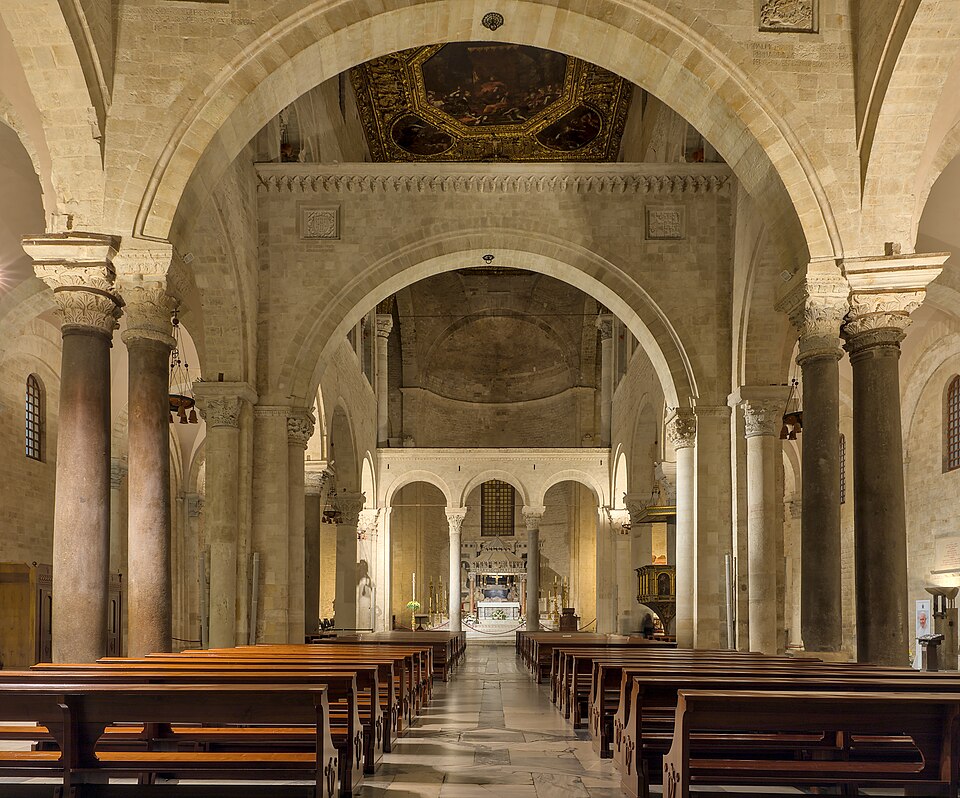
From Byzantine to Norman Italy: Mediterranean Art and Architecture in Medieval Bari is the first major study to comprehensively analyse the art and architecture of the archdiocese of Bari and Canosa during the Byzantine period and the upheaval of the Norman conquest. Clare Vernon places Bari and Canosa in a Mediterranean context, arguing that international connections with the eastern Mediterranean were a continuous thread that shaped art and architecture throughout the Byzantine and Norman eras. This chapter, on the architecture of the Church of San Nicola, Bari, argues that the basilica was conceived as an evocation of the Temple of Solomon in ancient Jerusalem.
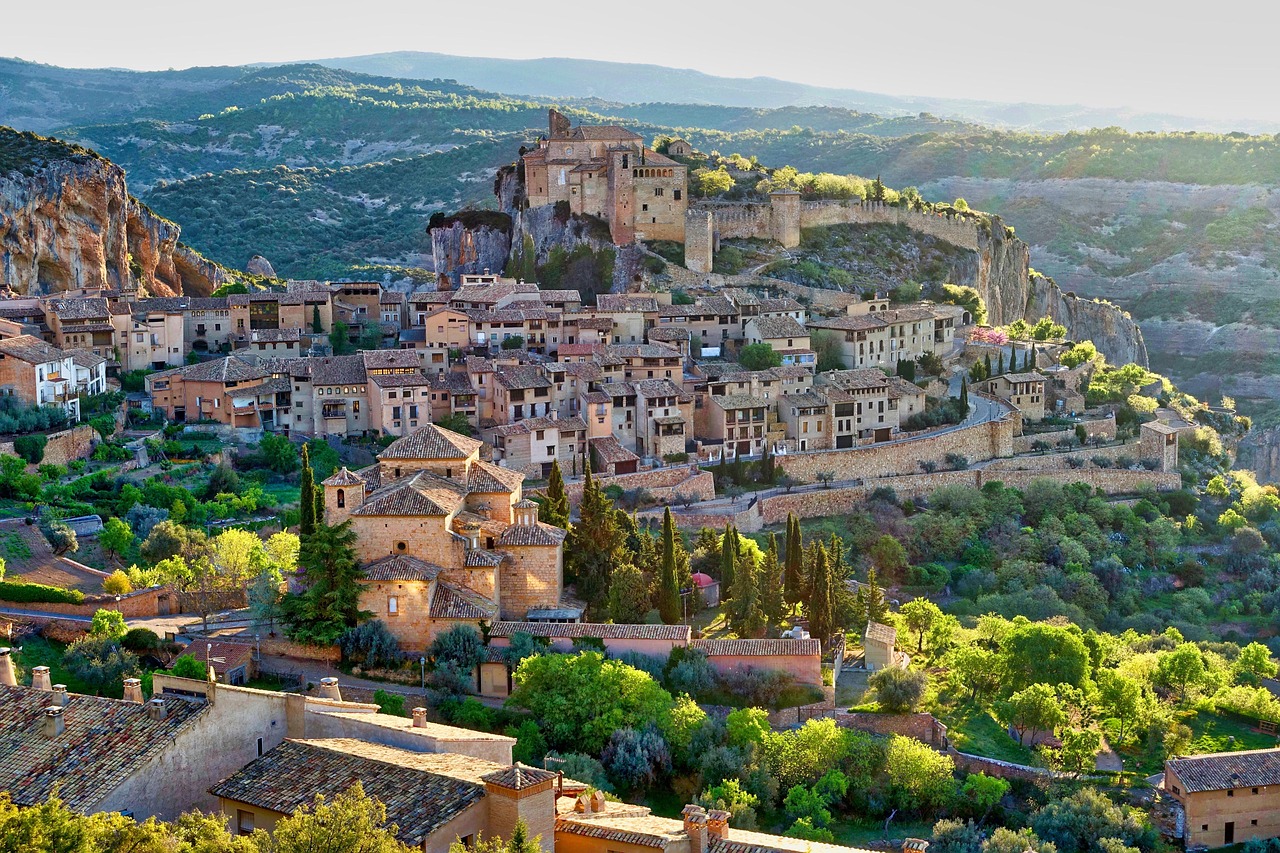
The creation, endurance, or destruction of buildings could play a fundamental role in shaping the structure and character of medieval societies. Indeed, it seems impossible to separate the impact of buildings from the use, inhabitation, and transformation of places more generally, including “natural” landscapes. In this chapter from A Cultural History of Objects in the Medieval Age, Sam Turner considers how people experienced buildings and landscapes in the European Middle Ages, and in particular the way people’s perceptions of those places were maintained or transformed by their shared knowledge and by changes in the ideas and relationships that supported their understanding.
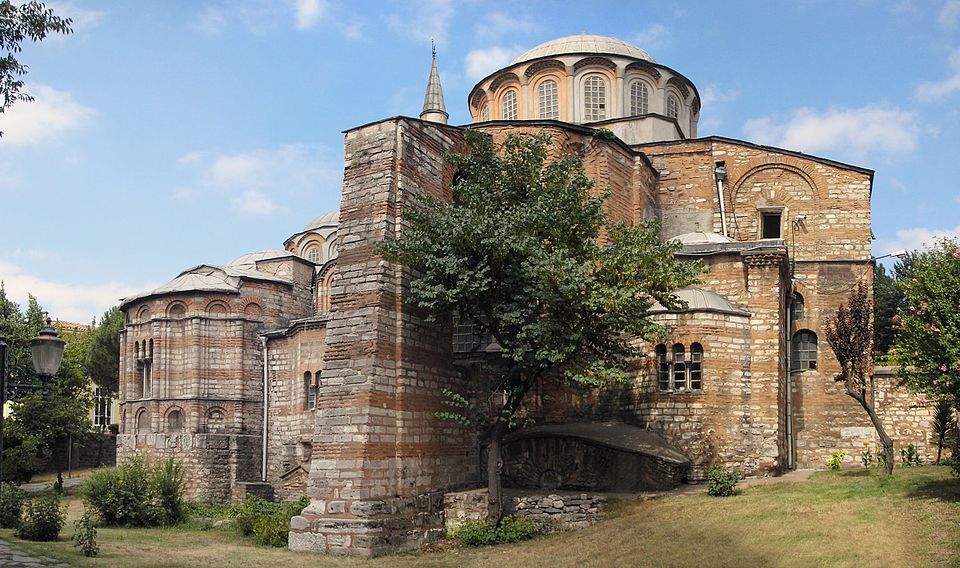
Bloomsbury Medieval Studies provides exclusive access to The Encyclopedia of the Global Middle Ages, a major reference work commissioned by Arc Humanities Press. Providing scholarly articles by global contributors, it takes an inclusive approach to the history of the middle ages, with overviews based on specific regional areas, as well as thematic overviews of key concepts within their global contexts. Constantly updated with new articles , the Encyclopedia provides an exploration of medieval life and culture, including articles on Medieval architecture from across the globe. Jenny P. Albani traces the history of Byzantine Architecture within three articles: Early Byzantine Architecture, 330-843; Middle Byzantine Architecture, 843–1261; Late Byzantine Architecture, 1261–1453, offering an expansive study of this fascinating empire.
