


johndoe@gmail.com

Bloomsbury History: Theory & Method is dedicated to historiography in all its forms. Packed with a wealth of exclusive articles, classic works, and eBooks it introduces students and instructors to one of the most important starting points in studying history: understanding what history is, how it is written, and why it matters. History is not just about memorising dates; it is about learning how to think.
Whether you are a student new to academic study, or an instructor building a course to support Undergraduates, dive into the content below, all free to access until the end of September 2026, and get to know the collection.
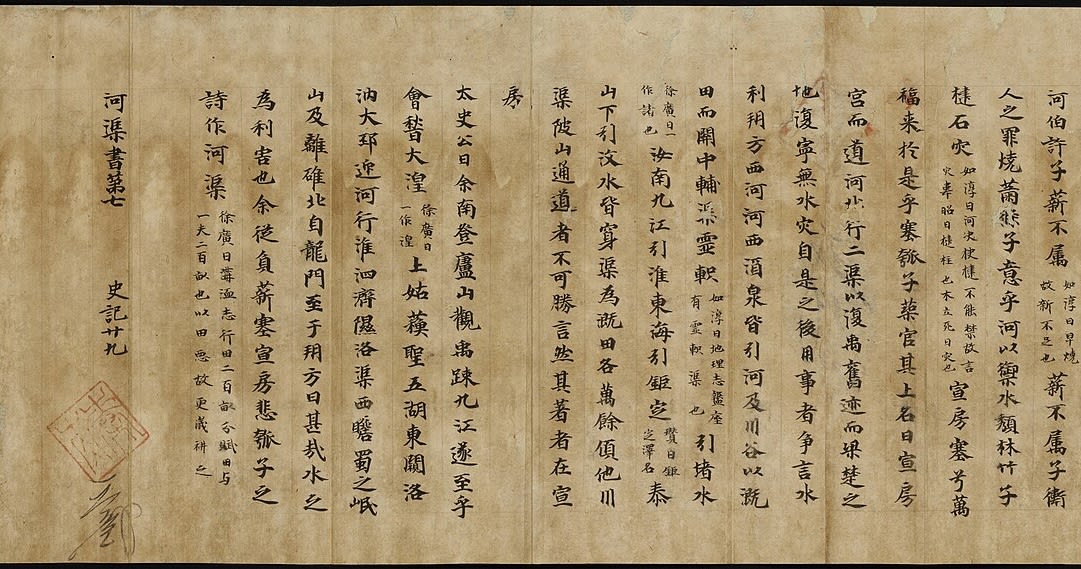
“To say why history matters it is first necessary to know what history is. And in defiance of any simple answers, definitions of history have been and are ever changing.” Beverley Southgate’s essay looks at the background of history and its current role to answer these questions..
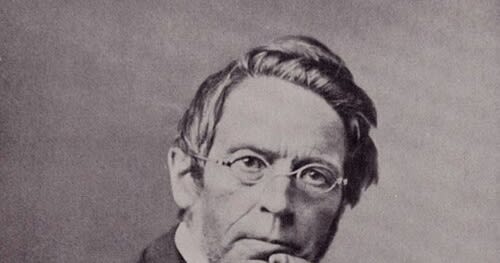
In this article Arthur Alfaix Assis looks at Johann Gustav Droysen’s Grundriss der Historik, one of the most important nineteenth-century texts on history, historiography, and historical research. Read an English translation of the original text alongside an analytical analysis of the work and an overview of scholarly debate.
See more Classic Texts in Context and read the Key Thinkers article on Droysen.
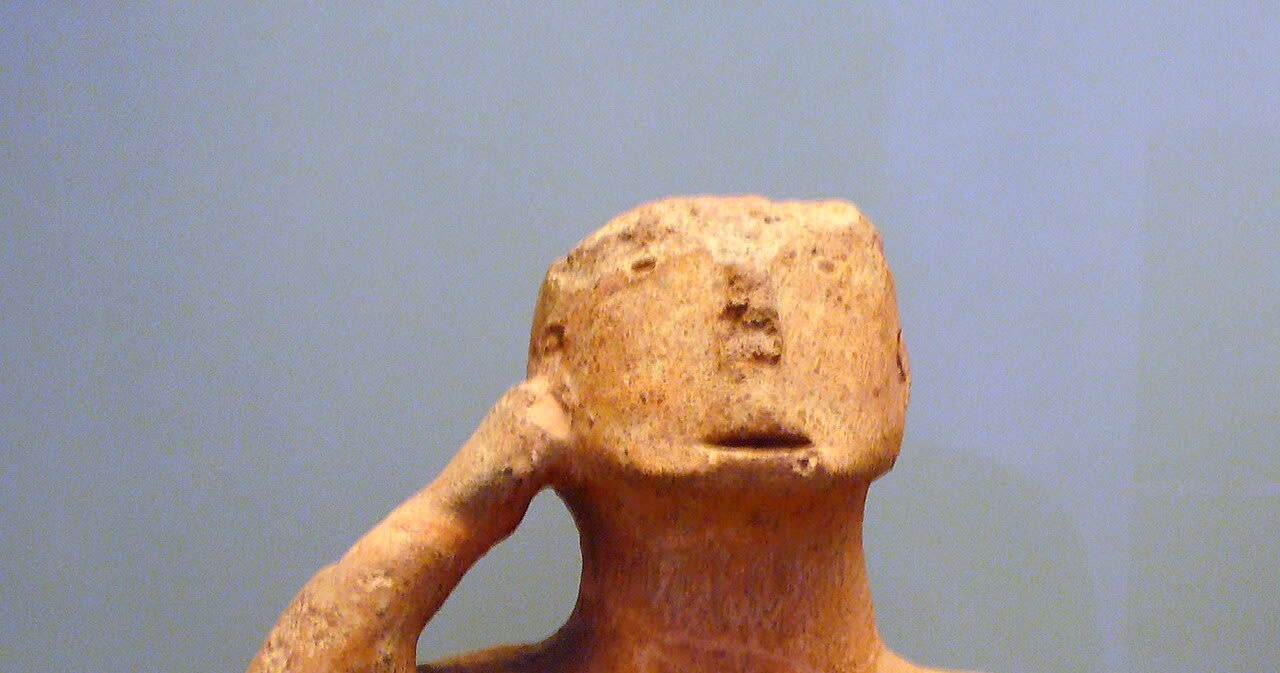
“If the past is everything that has ever happened, and history is comprised of narratives that are told about the past, then historical thinking is the cognitive process of analyzing and interpreting historical evidence to construct, deconstruct, and reconstruct historical narratives.” Read this article by Lindsay Gibson and Peter Seixas to find out more.
See more Key Concept Articles.
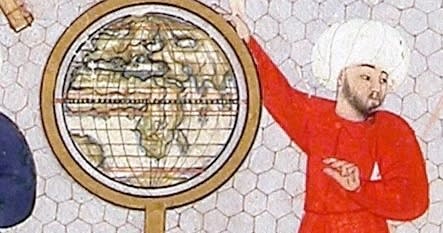
The shift in historical scholarship towards a more global perspective emphasises the importance of analysing transnational connections between events and developments. This chapter from Historiography: An Introductory Guide looks at the rise of a more global approach to history, its different forms, and the debates around it.
See more eBooks in the collection.

This article aims to show how much can be gained from the study of historical artifacts. It addresses their limitations and challenges, while also providing approaches and guidance for to using them complete with examples.
See more articles on Using Primary Sources.
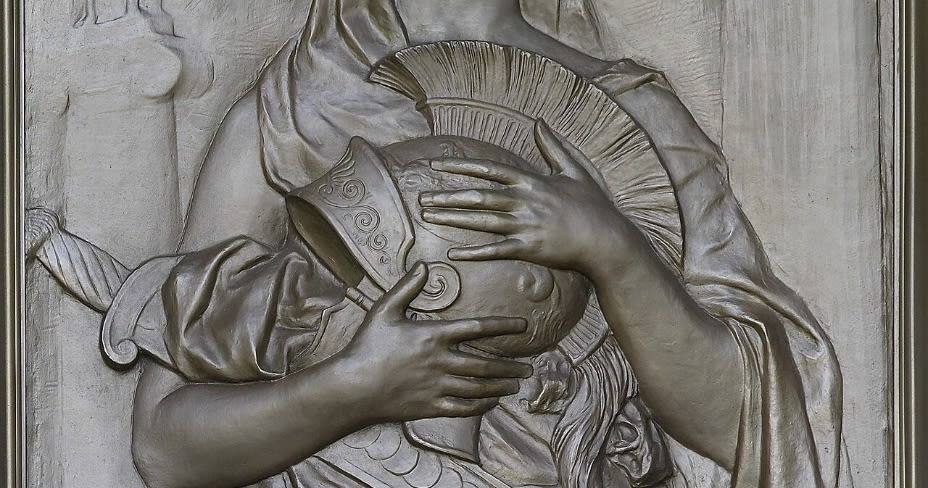
This entry from Q. Edward Wang’s major reference work Historiography: Critical Readings explores collective memory, myth, the relationship between memory and history as deeply interconnected ways of understanding the past.
All collections, including Bloomsbury History: Theory & Method, are available via subscription or perpetual access, find out more.
Explore more on the theory and practice of history
Image credits
"Book of Rivers and Canals", §7, Records of the Grand Historian, Vol. 29, looted Tang copy held by the Tokyo Museum as TB-1573, ColBase, Wikimedia
Johann Gustav Droysen, Wikimedia
Clay male figurine, known as the "Thinker". Late Neolithic (4500-3300 BC), National Archaeological Museum, Xuan Che, Wikimedia
Globe made by Taqi ad-Din Muhammad ibn Ma'ruf at the Istanbul Observatory between 1575-1580 CE, Istanbul University Library, Ala ad-Din Mansur-Shirazi, Wikimedia
Design 1900 - Now a series of displays on Room 74 of the Victoria and Albert Museum in South Kensington, London, Wikimedia
Memory (1896). Olin Warner (completed by Herbert Adams). Bronze door at main entrance of the Library of Congress Thomas Jefferson Building, Olin Levi Warner, Photographed in 2007 by Carol Highsmith, Wikimedia
