



johndoe@gmail.com


A Choice Outstanding Academic Title, 2008
A Cultural History of Animals is a multi-volume project on the history of human-animal relations from ancient times to the present. The set of six volumes covers 4,500 years of human-animal interaction.
Each volume explores: the sacred and the symbolic (totem, sacrifice, status and popular beliefs), hunting; domestication (taming, breeding, labour and companionship); entertainment and exhibitions (the menagerie, zoos, circuses and carnivals); science and specimens (research, education, collections and museums); philosophical beliefs; and artistic representations.

A Choice Outstanding Academic Title, 2023
A Cultural History of Chemistry presents the first detailed and authoritative survey from antiquity to today, focusing on the West but integrating key developments in Egypt, Mesopotamia, and the Arabic-Islamic and Byzantine empires.
The themes (and chapter titles) are: Theory and Concepts; Practice and Experiment; Sites and Technology; Culture and Knowledge; Society and Environment; Trade and Industry; Learning and Institutions; Art and Representation.

A Cultural History of Childhood and Family presents an authoritative survey from ancient times to the present. This set of six volumes covers 2,800 years of history, charting the cultural, social, economic, religious, medical and political changes in domestic life.
Each volume discusses the same themes in its chapters: 1. Family Relationships; 2; Community; 3. Economy; 4. Geography and the Environment; 5. Education; 6. Life Cycle; 7. The State; 8. Faith and Religion; 9. Health and Science; 10. World Contexts.
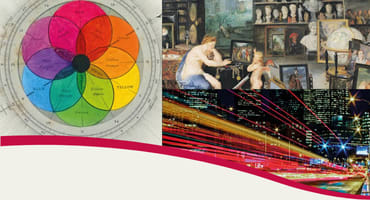
A Cultural History of Color presents a history of 5,000 years of color in western culture. The work examines how color has been perceived, developed, produced and traded, and how it has been used in all aspects of performance and how it shapes all we see, from food and nature to interiors and architecture, to objects and art, to fashion and adornment, to the color of the naked human body, and to the way our minds work and our languages are created.
Themes (and chapter titles) are: Form;
Theory; Praxis; Identities; The Body; Politics and Power; Laughter; and Ethics.
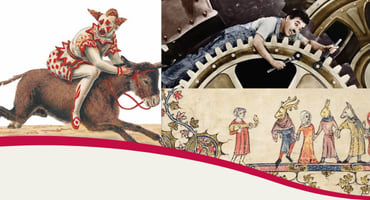
How has our expression, use and reception of comedy developed from antiquity to the present day? What role has it occupied in Western culture, and what can it tell us about how society has changed? The volumes describe various manifestations of comedy, its use in religion, theatre and literature, and its historical and philosophical significance.
Themes (and chapter titles) are: Form; Theory; Praxis; Identities; The Body; Politics and Power; Laughter; and Ethics.
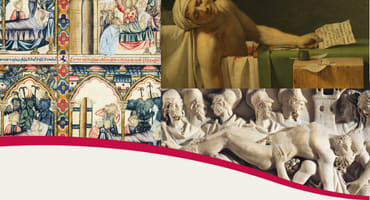
How has our understanding of death evolved over the course of 2,500 years? What can recorded history tell us about how different cultures and societies have felt about, experienced, responded to and marked the occasion of death across different periods and lands? These are the questions pursued by 54 experts in this landmark work that explores the way past societies thought, behaved and developed as they wrestled with enormity of their own mortality.
Themes (and chapter titles) are: Dead and Dying Bodies; The Sensory Aesthetics of Death; Emotions, Mortality and Vitality; Death's Ritual-Symbolic Performance; Sites, Power and Politics of Death; Gender, Age and Identity; Explaining Death; and The Undead and Eternal.
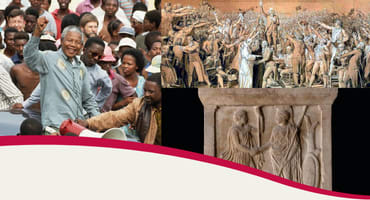
How has the concept of democracy been understood, manifested, reimagined and represented through the ages? In a work that spans 2,500 years these fundamental questions are addressed by 66 experts, each contributing their overview of a theme applied to a period in history. With the help of a broad range of case material they illustrate the physical, social and cultural contexts of democracy in Western culture from antiquity to the present.
The ten themes are: Sovereignty; Liberty and the Rule of Law; The 'Common Good'; Economic and Social Democracy; Religion and the Principles of Political Obligation; Citizenship and Gender; Ethnicity, Race and Nationalism; Democratic Crises, Revolutions and Civil Resistance; International Relations; Beyond the Polis.
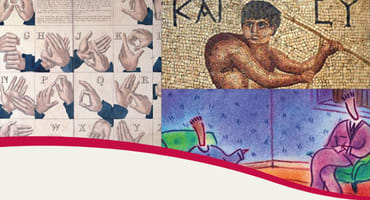
How has our understanding and treatment of disability evolved in Western culture? How has it been represented and perceived in different social and cultural conditions? In a work that spans 2,500 years, these ambitious questions are addressed by over 50 experts, each contributing their overview of a theme applied to a period in history.
The volumes describe different kinds of physical and mental disabilities, their representations and receptions, and what impact they have had on society and everyday life.

A Cultural History of Dress and Fashion presents an authoritative survey from ancient times to the present. This set of six volumes covers over 2,500 years of dress and fashion.
Each volume discusses the same themes in its chapters: 1. Textiles 2. Production and Distribution 3. The Body 4. Belief 5. Gender and Sexuality 6. Status 7. Ethnicity 8. Visual Representations 9. Literary Representations
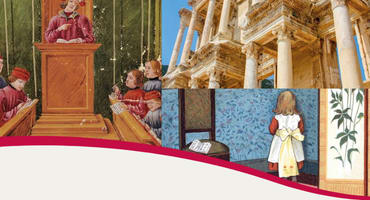
A Cultural History of Education is the first comprehensive and interdisciplinary overview of the cultural history of education from ancient times to the present day. With six illustrated volumes covering 2,800 years of human history, this is the definitive reference work on the subject.
Each volume adopts the same thematic
structure, covering: church, religion and morality; knowledge, media and
communications; children and childhood; family, community and sociability;
learners and learning; teachers and teaching; literacies; life-histories. This
enables readers to trace one theme throughout history, as well as providing
them with a thorough overview of each individual period.
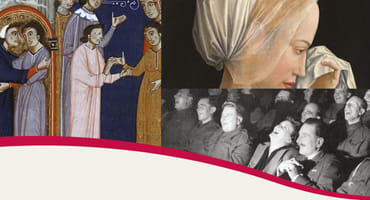
Across 6 Volumes, A Cultural History of the Emotions explores how emotions have changed over the course of human history, but also how emotions have themselves created and changed history.
Each volume in the series encompasses interdisciplinary work on the emotions, covering: medical, scientific, religious and intellectual history, how they have been performed and represented and how they were enacted in social practices on both a personal and public level.
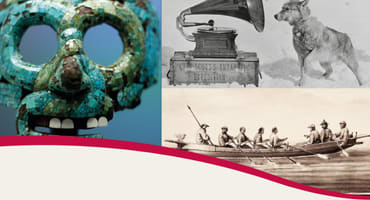
In a work that spans more than 5,000 years, these questions are addressed by 40 experts, each contributing their overview of a theme applied to a period in history.
Themes (and chapter titles) are: technologies of exploration; motivations and methodologies for exploration; ideal and idealized explorer typologies; the explored and their explorations; verbalizing exploration; visualizing exploration; and authority, finance, and exploration.
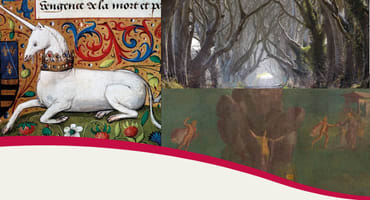
In a work that spans 2,500 years these ambitious questions are addressed by over 50 experts, each contributing their overview of a theme applied to a period in history. With the help of a broad range of case material they illustrate broad trends and nuances of the fairy tale in Western culture from antiquity to the present.
Themes (and chapter titles) are: Forms of the Marvelous; Adaptation; Gender and Sexuality; Humans and Non-Humans; Monsters and the Monstrous; Spaces; Socialization; and Power.
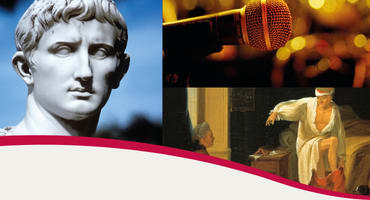
From emperors to film stars, from literary works to religious relics, and from natural catastrophes to scientific breakthroughs, fame is defined by cultural visibility and is created, communicated, and consumed through media and representation. A Cultural History of Fame examines the concept of fame and its manifestations - in ideas, places, artefacts, and people - across the last 3,000 years.
Themes (and chapter titles) are: the communication of fame; the arts, philosophy and attention; politics, leadership and power; religion, spirituality, and immortality; the visibility of events, places and things; infamy and scandal; innovation, science and its public expression; the construction and presentation of heroes.
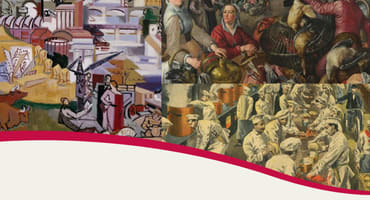
A Cultural History of Food presents a comprehensive, authoritative overview of food from ancient times to the present. Together, the six volumes cover almost 3,000 years of food and its physical, spiritual, social and cultural dimensions.
Each volume discusses the same themes in its chapters: 1. Food Production 2. Food Systems 3. Food Security, Safety and Crises 4. Food and Politics 5. Eating Out 6. Professional Cooking, Kitchens and Service Work 7. Family and Domesticity 8.Body and Soul 9. Food Representations 10. World Developments.
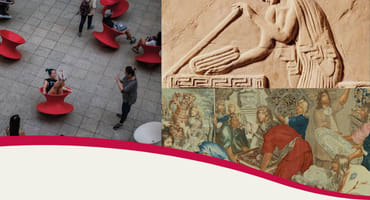
Furniture is an artifact so what can it tell us about culture? What social, religious, political and economic factors have shaped its form and functions? How does furniture demonstrate the transformations in private and public life across time and cultures? In a work that spans 4,500 years, 70 experts chart across six volumes the changing cultural framework within which furniture was designed, produced, and used in Western Europe.
Themes (and chapter titles) are: Design and Motifs; Makers, Making, and Materials; Types and Uses; The Domestic Setting; The Public Setting; Exhibition and Display; Furniture and Architecture; Visual Representations; and Verbal Representations.

A Cultural History of Gardens presents an authoritative survey from ancient times to the present. This set of six volumes covers over 2,500 years of gardens as physical, social and artistic spaces.
Topics covered: Design; Types of Gardens; Planting; Use and Reception; Meaning; Verbal Representations; Visual Representations; Gardens and the Larger Landscape.
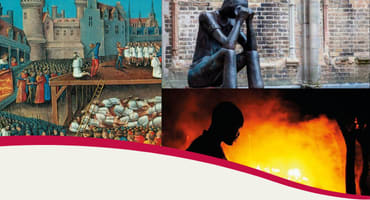
How has human response to genocide evolved over time? What effect has it had on our understanding of the cause and consequences of genocide? Spanning 2,800 years of human history, A Cultural History of Genocide offers the first comprehensive, interdisciplinary overview of genocide from ancient times to the present day. With six highly illustrated volumes all written by leading scholars, this is the definitive reference work on the subject of genocide.
Themes (and chapter titles) are: Responses to Genocide; Motivations and Justifications for Genocide; Genocide Perpetrators; Genocide Victims; Genocide and Memory; Consequences of Genocide; Representations of Genocide; Causes of Genocide.
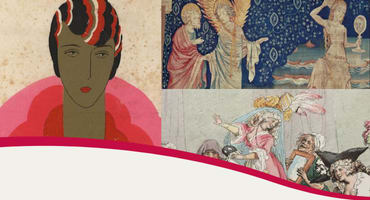
How have our attitudes to hair changed over time? In what ways have new technologies influenced hair-related practices and beliefs? Is hair just about fashion or does it express social, spiritual, and cultural meanings? With the help of a broad range of case material they illustrate trends and nuances of the culture of hair in Western societies from ancient times to the present.
Each volume discusses the same themes in its chapters: Religion and Ritualized Belief; Self and Society; Fashion and Adornment; Production and Practice; Health and Hygiene; Gender and Sexuality; Race and Ethnicity; Class and Social Status; and Cultural Representations.
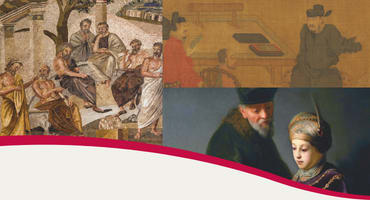
How has higher learning been shaped by people, ideas and knowledge? In a work that spans 2,500 years, 67 experts chart the social and cultural dynamics of higher learning and education across the centuries. The volumes describe the remarkable drama of societies trying to organize knowledge for humanity, with many conflicts, reversals, and triumphs along the way.
Themes (and chapter titles) are: 1. Antiquity (500 BCE-500 CE); 2. Medieval Age (500-1400); 3. Renaissance (1400-1600); 4. Age of Enlightenment (1600-1760); 5. Age of Industry (1760-1900); 6. Modern Age (1900-present)
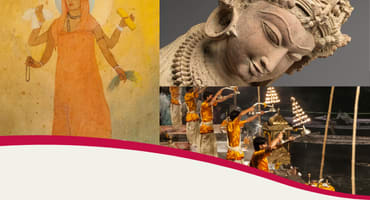
Spanning over 4,000 years, A Cultural History of Hinduism provides an authoritative survey of one of the world’s oldest religious traditions in its social and cultural contexts, from ancient times to the present. With 55 experts from academic disciplines such as history, religion studies, art history, anthropology and philosophy, the work represents inclusive narratives and aims to generate new cultural history questions.
Themes (and chapter titles are): sources of authority; defining body and mind; social organization and everyday norms; identity, difference and dialogue; politics and power; visual culture; lineages and emerging exemplars and movements; and Hinduism in global context.
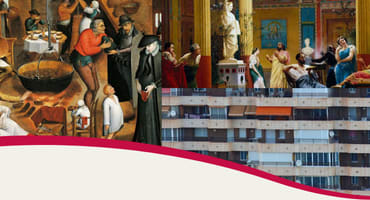
A Cultural History of the Home provides a comprehensive survey of the domestic space from ancient times to the present. Spanning 2,800 years, the six volumes explore how different cultures and societies have established, developed and used the home. It reveals a great deal about how people have lived day-to-day in a range of regions and epochs by providing a historical focus on the location in which they will have spent much of their time: the domestic space.
Generously illustrated, the full six-volume set combines to present the most detailed survey available on the home in history.
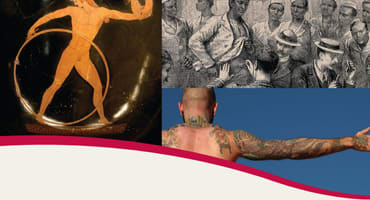
A Cultural History of the Human Body presents an authoritative survey from ancient times to the present. This set of six volumes covers 2,800 years of the human body as a physical, social, spiritual and cultural object.
Each volume discusses the same themes in its chapters: 1. Birth and Death 2. Health and Disease 3. Sex & Sexuality 4. Medical Knowledge and Technology 5. Popular Beliefs 6. Beauty and Concepts of the Ideal 7. Marked Bodies I: Gender, Race, Class, Age, Disability and Disease 8. Marked Bodies II: the Bestial, the Divine and the Natural 9. Cultural Representations of the Body 10. The Self and Society.

A Choice Outstanding Academic Title, 2024
AAP Prose Awards Winner: Best Humanities Reference Work 2023
How has the nature of ideas evolved over time? How have ideas been shaped, employed and received in different social and cultural contexts? In a work that spans 2,800 years, these ambitious questions are addressed by 62 experts, each contributing an overview of a particular theme in a specific period in history. The volumes explore the development of ideas, primarily in the West, from a range of disciplinary angles.
Themes (and chapter titles) are: Knowledge; The Human Self; Ethics and Social Relations; Politics and Economies; Nature; Religion and the Divine; Language, Poetry and Rhetoric; The Arts; History.
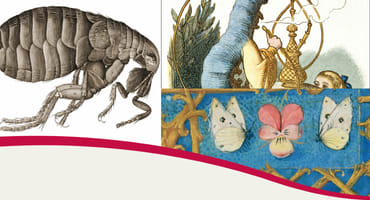
Insects are the form of life most alien to us. Across millennia, insects have been providers and sources of food as well as feared vectors of infection. Particular insect types have come to be associated with beauty, diligence, and social and divine order, whilst others have become symbols of invasion, disease, and social decay. Today, insects are used to create luxury goods, to pollinate crops, to color political rhetoric, and to contribute to modern-day logistics, genetics, and forensics. A Cultural History of Insects reveals how our relationship with insects – in life and in death – is one of our most productive and intimate.
Themes (and chapter titles) are: insect knowledge; insects and disease; insects and food; insect products; insects in mythology and religion; insects as symbols; insects in literature and language; insects in art.
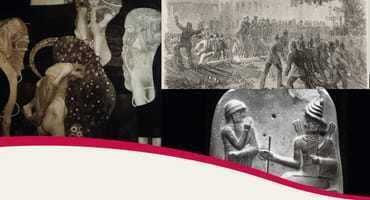
How have legal ideas and institutions affected Western culture? And how has the law itself been shaped by its cultural context? In a work spanning 4,500 years, these questions are addressed by 57 experts, each contributing an authoritative study of a theme applied to a period in history. Supported by detailed case material and over 230 illustrations, the volumes examine trends and nuances of the culture of law in Western societies from antiquity to the present.
Each volume discusses the same themes in its chapters: Justice; Constitution; Codes; Agreements; Arguments; Property and Possession; Wrongs; and the Legal Profession.
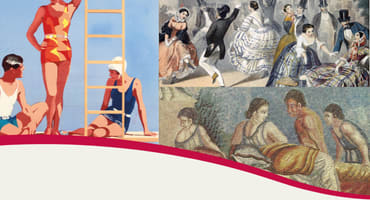
A Cultural History of Leisure presents historians, and scholars and students of related fields, with the first comprehensive and interdisciplinary overview of the cultural history of leisure from ancient times to modernity. With six highly illustrated volumes covering 2,500 years, this is the definitive reference work on the subject.
Each volume adopts the same thematic structure, covering: the idea of leisure; the performing arts and their audiences; the cerebral arts and their publics; sports and games; holydays, holidays and tourism; the world of conviviality; the world of goods; the world of nature and representations of leisure, enabling readers to trace one theme throughout history, as well as gaining a thorough overview of each individual period.
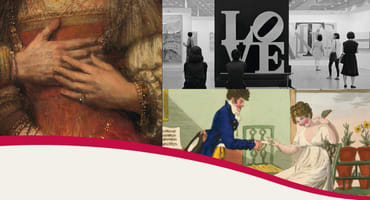
In a work spanning 2,500 years, 55 experts examine the meaning of love: what it feels like, how it should be expressed on the body and in language, its representation in art and literature, its explanation by theology and by science, and who should experience it (and towards whom).
Themes (and chapter titles) are: romantic love; love in families; friendship; love in communities; love and the divine; love in politics; physiologies of love; and love in art and material culture.

What role has magic played in society through the ages? How has it been practiced and, at times, controlled? How has magic been understood and represented? And how has this understanding differed according to time and place? In a work that spans 2,800 years these ambitious questions are addressed by 57 experts with the help of a broad range of case material.
Themes (and chapter titles) are: Defining Magic; Magic, Religion, and Belief; Practices and Practitioners; Authorities and Control; Geographies of Magic; Magic and Material Culture; Magic and Gender; Imagining Magic.
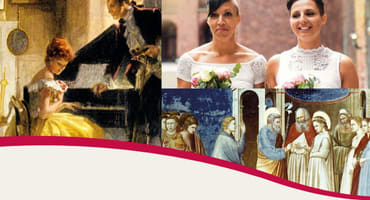
How have ideas of marriage evolved in Western culture? How has its influence changed, and been shaped by its social and cultural conditions? In a work that spans 2,500 years, these ambitious questions are addressed by 52 experts, each contributing their overview of a theme applied to a period in history.
The volumes describe the role of marriage, its contributions to society, and how it engages with matters of religion, law, society and love.
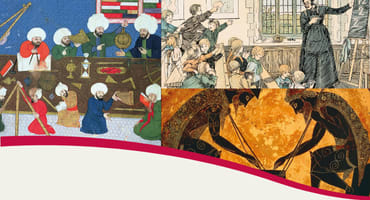
Numeracy has shaped human history as much as literacy: mathematics has enabled us to measure the cosmos, control the Earth, and create all technological change. A Cultural History of Mathematics presents the first comprehensive and global history from antiquity to today.
Themes (and chapter titles) are: everyday numeracy; practice & profession; inventing mathematics; mathematics & worldviews; describing & understanding the world; mathematics & technological change; representing mathematics.
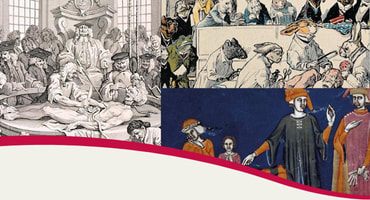
How has our understanding of medicine evolved over the past 2,500 years? A Cultural History of Medicine, as the first comprehensive and interdisciplinary overview of the cultural history of medicine from ancient times to modernity, discusses this. With six highly illustrated volumes covering 2,500 years of human history, this is the definitive reference work on the subject.
Themes (and chapter titles) are: Environment; Food; Disease; Animals; Objects; Experiences; the Mind; Authority.
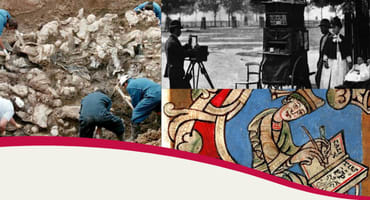
How has understanding of memory evolved over the past 2,500 years? How has our collective memory been influenced and expressed by politics, culture, philosophy and science? In a work that spans over 2,500 years, these ambitious questions are addressed by 64 experts, each contributing their overview of a theme applied to a period in history.
The volumes situate our understanding of memory within a variety of historical contexts, looking to art and science alike to determine how it has changed in Western society since Antiquity.
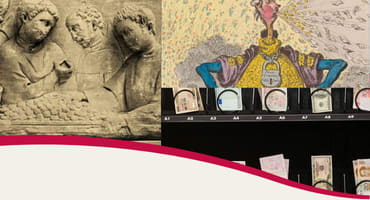
In a work that spans 4,500 years, 54 experts capture money's complexities in both substance and form.
Themes (and chapter titles) are: Money and its Technologies; Money and its Ideas; Money, Ritual, and Religion; Money and the Everyday; Money, Art, and Representation; Money and its Interpretation; Money and the Issues of the Age.
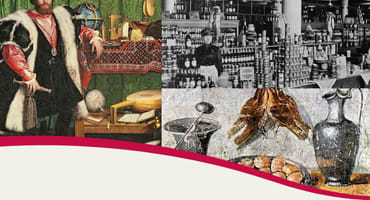
How have objects have been created, used, interpreted and set loose in the world over the last 2,500 years? Over this time, the West has developed particular attitudes to the material world, at the centre of which is the idea of the object. This set brings together over 50 scholars to examine how the world of human subjects shapes and is shaped by the world of material objects.
The themes (and chapter titles) are: Objecthood; Technology; Economic Objects; Everyday Objects; Art; Architecture; Bodily Objects; Object Worlds.
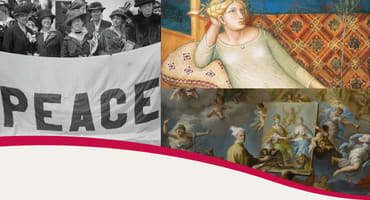
A Cultural History of Peace presents an authoritative survey from ancient times to the present. The set of six volumes covers a span of 2,500 years, tracing how different cultures and societies have thought about, struggled for, developed and sustained peace in different ways and at different times.
Each volume discusses the same themes in its chapters: Definitions of Peace, Human Nature, Peace and War, Peace, War and Gender, Peace, Pacifism and Religion, Representations of Peace, Peace as Integration, Peace Movements, Peace, Security and Deterrence.
Winner of the 2022 Society of Economic Botany's Daniel F. Austin Award
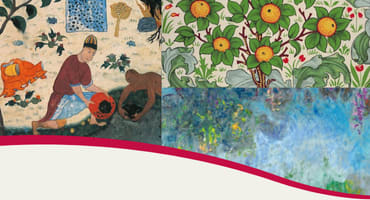
A Cultural History of Plants presents a global exploration of how plants have shaped human culture. Covering the last 12,000 years, it is the definitive history of how we have cultivated, traded, classified, and altered plants and how, in turn, plants have influenced our ideas of luxury and wealth, health and well-being, art and architecture.
The themes (and chapter titles) are: Plants as Staple Foods; Plants as Luxury Foods; Trade and Exploration; Plant Technology and Science; Plants and Medicine; Plants in Culture; Plants as Natural Ornaments; The Representation of Plants.
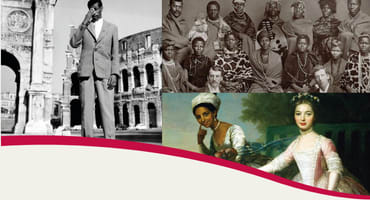
How have definitions of race varied and changed over time? What impact have religion, science and politics had on race throughout history, and how has our concept of it been changed as a result? These ambitious questions are answered by 61 experts who - drawing on perspectives from history, sociology, anthropology, literature and medical humanities - deepen our understanding of how race has developed conceptually and in reality between antiquity and the present day.
Individual volume editors ensure the cohesion of the whole, and to make it as easy as possible to use, chapter titles are identical across each of the volumes.
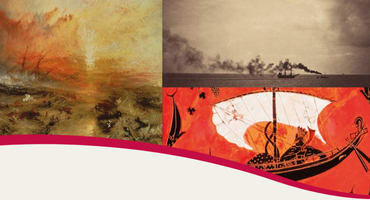
Throughout history the sea served as a site for cross-cultural exchange, trade and migration. As historians, how do the fields of naval history, maritime history and oceanic history intersect? 56 experts explore how representation and understanding of the sea has developed over 2,500 years of cultural and natural history.
Each volumes adopts the same thematic structure, covering: Knowledges, Practices, Networks, Islands and Shores, Travelers, Representation, Imaginary Worlds, and Conflicts, enabling readers to trace one theme throughout history, as well as gaining a thorough overview of each individual period.
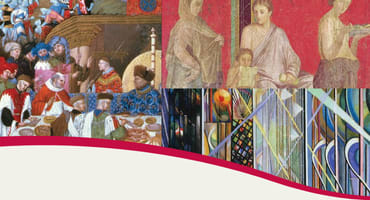
What did the past sound like, taste like, smell like? How did it look and feel? How did people make sense of the world through their senses? A Cultural History of the Senses delves into the sensory foundations of Western civilization and provides a broad understanding of the life of the senses from antiquity to the modern day.
Each volume discusses the same themes in
its chapters: The Social Life of the Senses; Urban Sensations; The Senses in
the Marketplace; The Senses in Religion; The Senses in Philosophy and Science;
Medicine and the Senses; The Senses in Literature; Art and the Senses; and
Sensory Media.
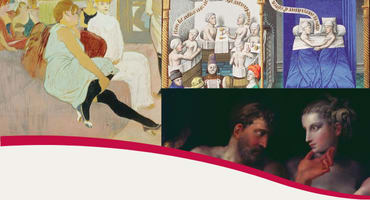
A Cultural History of Sexuality presents an overarching survey from ancient times to the present. With six volumes covering 2,800 years, this is the most authoritative history of sexuality in all its many forms across Western cultures.
Each volume discusses the same themes in its chapters: 1. Heterosexuality; 2. Homosexuality; 3. Sexual Variations; 4. Sex Religion, and the Law; 5. Sex, Medicine and Disease; 6. Sex, Popular Beliefs and Culture; 7. Prostitution; 8. Erotica. This means readers can either have a broad overview of a period by reading a volume or follow a theme through history by reading the relevant chapter in each volume.

A Library Journal Best in Reference Selection in 2022
How has the activity of shopping changed over the centuries? And what does it tell us about the lives and interests of people living within different cultures? In a work that spans 2,500 years, these questions are addressed by 55 experts, each contributing an overview of a theme applied to a period in history. With the help of a broad range of case material they illustrate broad trends and nuances of the culture of shopping from antiquity to the present.
Themes and chapter titles are: Practices and Processes; Spaces and Places; Shoppers and Identities; Luxury and Everyday; Home and Family; Visual and Literary Representations; Reputation, Trust and Credit; and Governance, Regulation and the State.
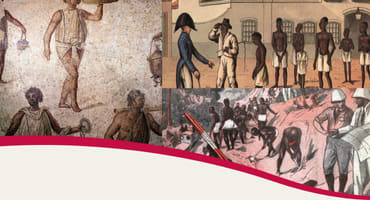
With coverage extending from prehistory to the modern day these six highly illustrated, interdisciplinary volumes are the first definitive reference work covering the cultural history of slavery and human trafficking.
Bringing together an international cast of over 60 contributors, each volume adopts the same thematic structure, covering: definitions and ideologies of slavery and trafficking; slavery, trafficking, and the law; political cultures; coercive laboring economies; social organization, culture, and ritual; gender, enslavement, and trafficking; age, enslavement, and trafficking; and anti-slavery, anti-trafficking, and abolition outcomes. This model supports readers in tracing one theme throughout history, as well as providing them with a thorough overview of each individual period.
Shortlisted by the North American Society for Sport History for its 2022 Anthologies Award
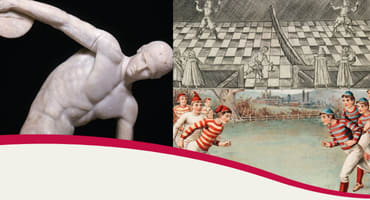
From gladiatorial combat to knightly tournaments and from hunting to games and gambling, sport has been central to human culture. A Cultural History of Sport presents the first extensive history from classical antiquity to today, covering all forms and aspects of sport.
Chapter titles are identical across each of the volumes. This gives the choice of reading about a specific period in one of the volumes, or following a theme across history by reading the relevant chapter in each of the six. The themes (and chapter titles) are: The Purpose of Sport; Sporting Time and Sporting Space; Products, Training and Technology; Rules and Order; Conflict and Accommodation; Inclusion, Exclusion and Segregation; Minds, Bodies and Identities; Representation.
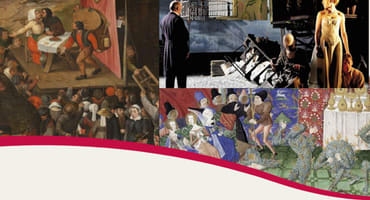
A Cultural History of Theatre presents an authoritative survey from ancient times to the present. The set of six volumes covers a span of 2,500 years, tracing the complexity of the interactions between theatre and culture.
Each volume discusses the same themes in its chapters: Institutional Frameworks; Social Functions; Sexuality and Gender; The Environment of Theatre; Circulation; Interpretations; Communities of Production; Repertoire and Genres; Technologies of Performance; Knowledge Transmission: Media and Memory.
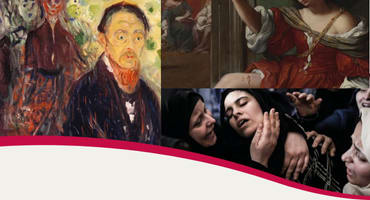
How have ideas of the tragic influenced Western culture? How has tragedy been shaped by its social and cultural conditions? In a work that spans 2,500 years, these ambitious questions are addressed by 55 experts, each contributing their overview of a theme applied to a period in history.
Extending far beyond the established aesthetic tradition, the volumes describe the forms tragedy takes to represent human conflict and suffering, and how it engages with matters of philosophy, society, politics, religion and gender.
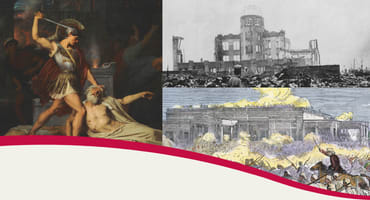
Throughout history, violence has arguably played a central role in most events, movements, and countries. This six volume set considers how violence can offer an insight into societies of the past, tracing the culture of violence from the Ancient world to the Modern day.
Themes (and chapter titles) are: Understanding and Defining Violence; Sacred Violence; Spaces of Violence; Authority and Violence; Persecution, Oppression and Subjection; Emotion and Violence; Representations of Violence; Technologies of Violence.
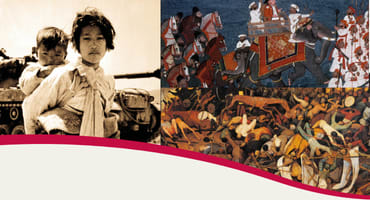
What role has war played in the historical and contemporary formation of societies across the globe? How have different classes and communities been impacted, and how have different civilizations over the last 2,500 years commemorated and remembered war? Applying their expertise to a theme throughout history, 54 experts answer these ambitious questions in the first authoritative survey of the subject from antiquity to the present day.
Themes (and chapter titles) are: class, race and gender; immigration and integration; religion; environment; culture of war: high and popular; civil war and ethnic cleansing; confidence game: intelligence, deception, and subterfuge; ritual, commemoration, and memory.
A Cultural History of Western Empires presents historians, and scholars and students of related fields, with the first comprehensive and interdisciplinary overview of the cultural history of empire from ancient times to modernity.
Each volume discusses the same themes in its chapters: War; Trade; Natural Worlds; Labor; Mobility; Sexuality; Resistance; and Race.
Music has been significant in social, religious, and political ritual, and in education, art, and entertainment in all human cultures from antiquity to today. A Cultural History of Western Music presents the first study of music in all its forms – ritual, classical, popular and commercial – from antiquity to today. The work is divided into 6 volumes, with each volume covering the same topics, so readers can either study a period/volume or follow a topic across history.
The topics are identity, communities and society; changing philosophies and ideas about music; politics and power; musical exchange and knowledge transfer between the West and the non-West; musical education; popular culture and musical entertainment; the places, practices, and experiences of performance; and the development of music technologies and media.
A Cultural History of Women presents an authoritative survey from ancient times to the present. With six volumes covering 2,500 years, this is the most authoritative history available of women in Western cultures.
Each volume discusses the same themes in its chapters: the Life Cycle; Bodies and Sexuality; Religion and Popular Beliefs; Medicine and Disease; Public and Private Worlds; Education and Work; Power; and Artistic Representation.
Winner of the 2020 PROSE Award for Multivolume Reference/Humanities
How has our relationship with ‘work’ changed for different cultures over the centuries? What effect has it had on politics, art and religion? In a work that spans 2,500 years these ambitious questions are addressed by 63 experts, each contributing their overview of a theme applied to a period in history. With the help of a broad range of case material they illustrate broad trends and nuances of the culture of work in Western culture from antiquity to the present.
Each volume discusses the same themes in its chapters: The Economy of Work; Picturing Work; Work and Workplaces; Workplace Cultures; Work, Skill and Technology; Work and Mobility; The Political Culture of Work; and Work and Leisure.
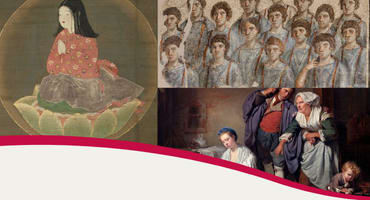
These six highly-illustrated volumes provide the first truly global, interdisciplinary history of youth covering the last 2,500 years. Leading scholars from around the world have leant their expertise to create an innovative resource for historians, and scholars and students of related fields.
The themes (and chapter titles) are: Concepts of Youth; Spaces and Places; Education and Work; Leisure and Play; Emotions; Gender, Sexuality and the Body; Belief and Ideology; Authority and Agency; War and Conflict; and Towards a Global History.
